One water cycle for a residential area, businesses and nature
The challenge
On the site of the former sugar factory in Veurne, ION is developing the Suikerpark residential area. Next to it, a new business park is planned and the Suikerwater nature basins are located. As part of the VMM project Proeftuinen Droogte, ION investigated whether rainwater and wastewater could be reused collectively, with the basins acting as a buffer.
What we did
- Rainwater study for the residential area: reuse per cluster or centrally, with and without green roofs
- Water balance of the residential area, business park, nature area and neighbouring companies
- Buffer simulations of the nature basins, with level control that takes breeding birds into account
- Business case for a water company supplying second-grade water
Results
- For the residential area, reuse per cluster, without green roofs, is the best option
- Collective reuse technically feasible, with a closed loop and decentralised treatment
- The business case proved not to be profitable within the project term: the low water price and the need for advanced treatment weigh heavily
- Lessons shared with the VMM for future projects
More references

Love Tomorrow (Tomorrowland)
Water footprint tracked per edition
A major festival measures its water footprint, sets out actions and tracks the results, edition after edition.

Mutete school campus, Rwanda
100% of the school's demand met by rainwater in an average year
Rainwater as a drinking water source for a school campus with more than 2,200 pupils.
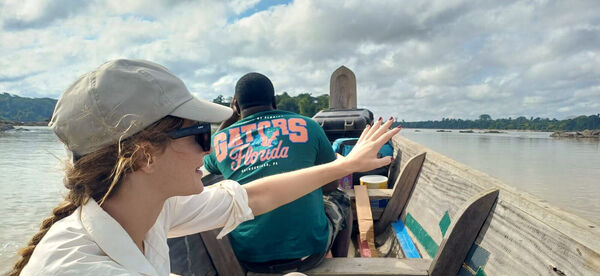
Newmont, Suriname
10 villages visited, solutions per village
Climate-resilient drinking water solutions for the Pamaka villages along the Marowijne.
Facing a similar challenge?
Tell us about your site and we'll show you what's possible.