Safe drinking water all year round for the Pamaka villages
The challenge
The Pamaka communities along the Marowijne River do not have safe drinking water all year round. Small-scale gold mining pollutes rivers and creeks, villages are flooded for months, and in dry periods the creeks run dry. Newmont asked for sustainable, climate-resilient solutions.
What we did
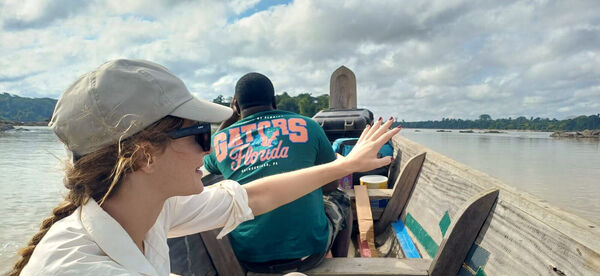
- Field mission to ten villages, most of them on islands and only accessible by boat
- Consultation with the village chiefs and drone footage of villages and sites
- Assessment of the existing water systems and of the risks: flooding, drought and accessibility
- Solutions per village, with an estimate of CAPEX and OPEX
- Educational material on water security for the communities
Results
- Mercury and turbidity from gold mining are the main contaminants
- Systems designed for 50 litres per person per day, plus the demand of schools and clinics
- Flood-resilient, solar-powered installations that local operators can maintain
- Expandable design, without oversizing in villages that may shrink
More references

Mutete school campus, Rwanda
100% of the school's demand met by rainwater in an average year
Rainwater as a drinking water source for a school campus with more than 2,200 pupils.
Mamasa Regency, Indonesia
15 village systems, one treatment concept
A feasibility study for safe drinking water in fifteen village systems in the mountains of West Sulawesi.
Enabel, Mozambique
6 villages, 3 clusters, one integrated design
A sustainable drinking water supply for six villages in southern Mozambique, from technology to business model and social inclusion.
Facing a similar challenge?
Tell us about your site and we'll show you what's possible.