Events and recreation
Measuring and reducing the water footprint of a major festival

The challenge
A festival uses a lot of water in a very short time, on a site without permanent infrastructure and for tens of thousands of visitors and campers. Love Tomorrow, Tomorrowland's sustainability programme, wanted to know where that water goes and how to use less of it.
What we did
- Water footprint of the festival operations, per edition
- Water meters and measurements on the festival site and the campsite
- Actions to reduce the footprint, such as vacuum toilets and water-saving taps and showers
- Monitoring of the results over several editions
- Studies on circular water use and a sustainable drinking water supply
Results
- Water footprint mapped per edition
- Concrete reduction actions defined and prioritised
- Progress tracked over successive editions
- Results communicated to visitors and partners
More references

Mutete school campus, Rwanda
100% of the school's demand met by rainwater in an average year
Rainwater as a drinking water source for a school campus with more than 2,200 pupils.
Read more
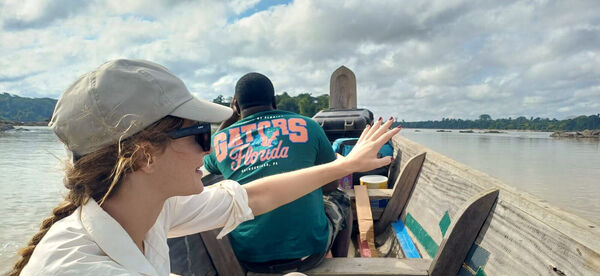
Newmont, Suriname
10 villages visited, solutions per village
Climate-resilient drinking water solutions for the Pamaka villages along the Marowijne.
Read more
Mamasa Regency, Indonesia
15 village systems, one treatment concept
A feasibility study for safe drinking water in fifteen village systems in the mountains of West Sulawesi.
Read more
Facing a similar challenge?
Tell us about your site and we'll show you what's possible.