Energy
A sustainable, replicable water-management plan for the Drogenbos site
- Client
- ENGIE Electrabel, Drogenbos
- Sector
- Energy
- Services
- Key figure
- ≈2.9M m³/yr canal water saved
The challenge
ENGIE Electrabel uses water extensively for cooling circuits and demineralised-water production. The Drogenbos site was chosen for a thorough review to develop a sustainable water-management plan that could be replicated across their Belgian portfolio.
What we did
- Detailed water balance of the Drogenbos site
- Cooling-tower optimisation (frequency converters, conductivity control)
- Alternative water-source evaluation: wastewater, rainwater, WWTP effluent
- Economic analysis per reuse scenario
Results
- 47% canal water saved (about 2.9 million m³/year) through cooling optimisation
- 57% city water saved via industrial wastewater reuse for demin production
- 65% city water saved via rainwater reuse for demin production
- Treatment designs with full CAPEX/OPEX for each scenario
More references

Love Tomorrow (Tomorrowland)
Water footprint tracked per edition
A major festival measures its water footprint, sets out actions and tracks the results, edition after edition.
Read more

Mutete school campus, Rwanda
100% of the school's demand met by rainwater in an average year
Rainwater as a drinking water source for a school campus with more than 2,200 pupils.
Read more
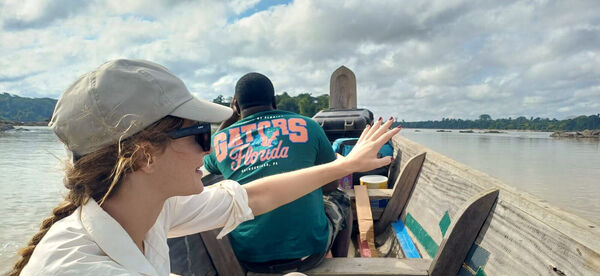
Newmont, Suriname
10 villages visited, solutions per village
Climate-resilient drinking water solutions for the Pamaka villages along the Marowijne.
Read more
Facing a similar challenge?
Tell us about your site and we'll show you what's possible.